Daytona Beach Fishing Charter: What to Know Before You Book


 Published: Nov 26, 2026
 7 min read
Summary
A planning guide for anglers researching a Daytona Beach fishing charter out of Ponce Inlet. It covers the questions worth asking, how nearshore, wreck and offshore trips differ, and how to match one to your experience.
Searching for a Daytona Beach fishing charter turns up a long list of boats, trip types and promises. Sorting through them is easier when you know what separates one trip from another and what to ask before you put down a deposit. This guide covers the questions worth asking and how the trip types out of Ponce Inlet differ. It also explains how to match a trip to the angler who will be on the boat.
Start With the Boat and the Captain
The first thing to check is who is running the trip and what they are running it on. Go Fish Sportfishing is led by Captain Daniel Brindisi, who has 35 years of experience fishing in Florida. The business has been running private charters off Ponce Inlet for over 25 years. That kind of track record tells you the captain knows these waters well enough to adjust when conditions change.
The boat matters too. Go Fish fishes from a 2024 custom 26ft center console that is rigged for tournament fishing. It carries GPS and fishfinders, and it has outriggers for trolling. A fast center console also means less time running to the fishing grounds and more time with a line in the water. When you compare charters, ask what boat you will be on, what electronics it carries and how it is set up for the kind of fishing you want to do.
Questions Worth Asking Before You Book
A good charter captain will answer these without hesitation, and the answers help you compare trips fairly. Keep the list short and practical:
- Is the trip private, and how many people can come along?
- What kind of fishing will we do, and how far from the inlet will we go?
- How long is the trip, and what does the price cover?
- What happens if the weather turns?
- Is the trip suited to beginners, or does it assume you have fished offshore before?
Pay attention to how specific the answers are. A vague reply about catching fish all day tells you less than a clear description of the water, the method and the pace. If you have a particular goal, say a first offshore trip or a day of trolling, say so up front. A captain can only point you to the right trip if he knows what you are after.
Nearshore Trips for Newer Anglers
If you are new to saltwater fishing or bringing someone who is, nearshore water around Ponce Inlet is the natural place to begin. Go Fish offers a nearshore trip built around following the action in Florida's nearshore waters. It also offers a trip designed to teach the basics around the inlet and then give you a taste of what bigger offshore fishing can offer.
The appeal of starting close to the inlet is that you get time on the water without committing to a long run. You can learn how the rods are handled, how a bite feels and what to do when something takes the line. For a family, a first-timer or anyone who wants to build confidence before going further out, this is usually the right fit. It also works as a stepping stone, because the basics you pick up nearshore carry straight over to deeper trips.
Wreck Trips for Bottom Fishing and Trolling
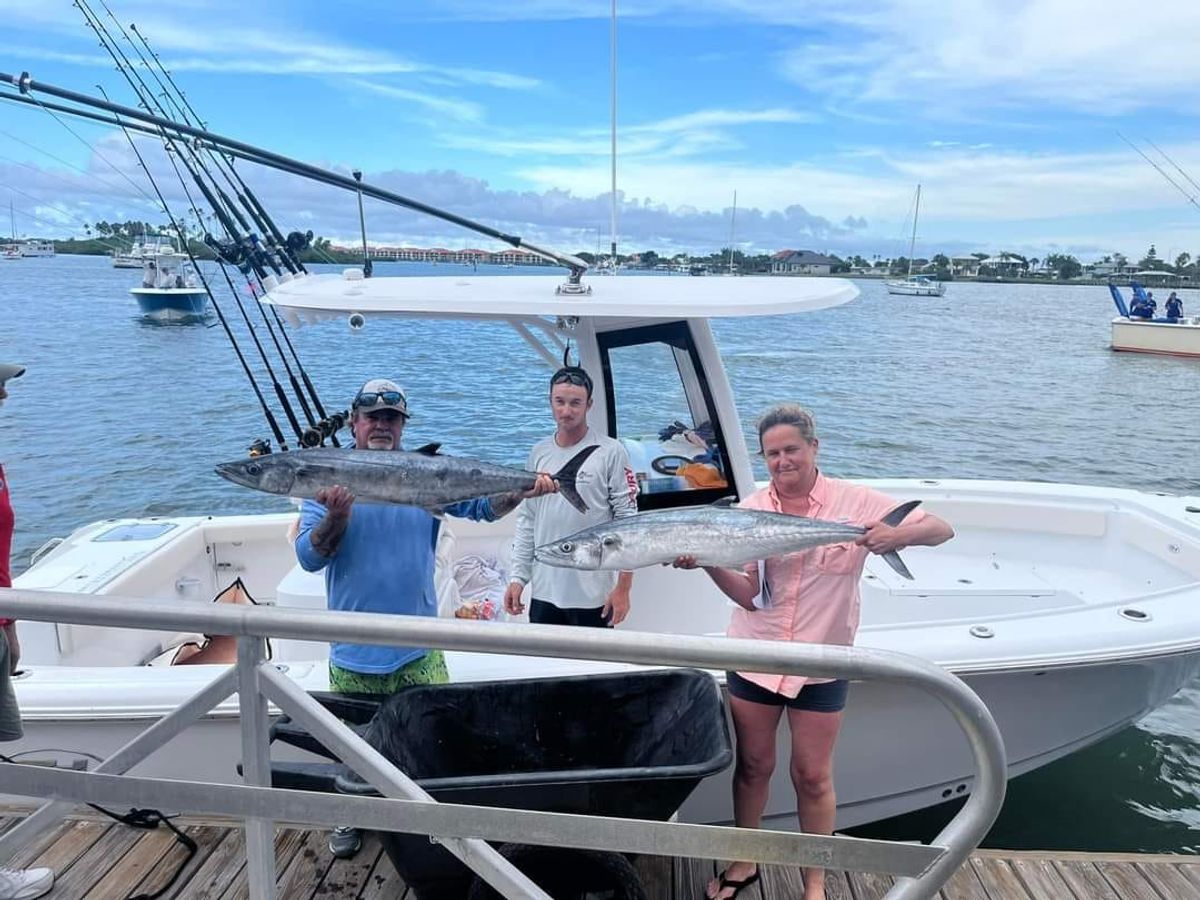
Wreck trips sit in the middle. Go Fish offers a wreck trip where you work the bottom for reef-dwelling fish, and you can also follow fast-moving predators by trolling for kingfish. That gives you two styles of fishing in one outing, which suits anglers who like variety.
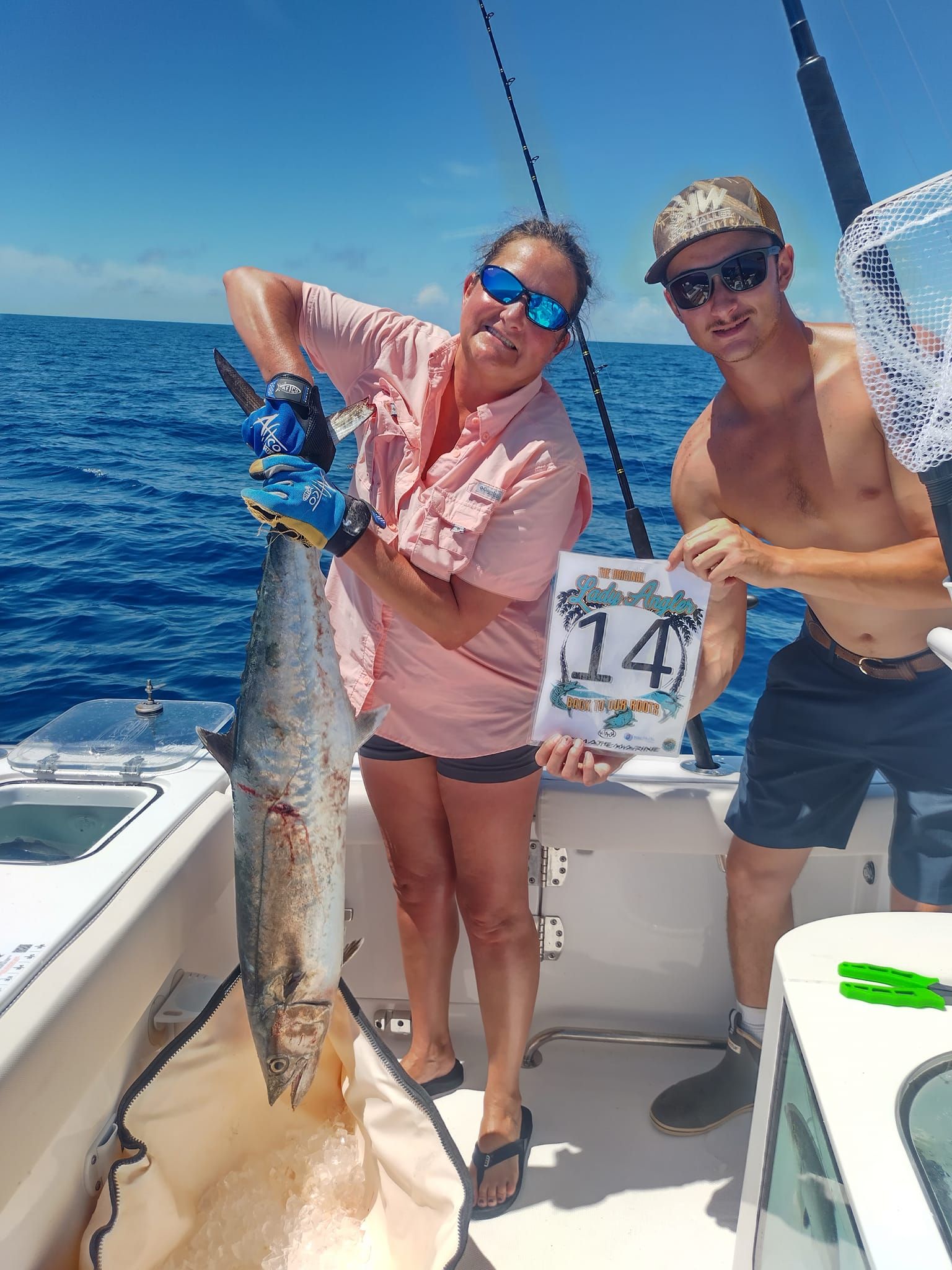
Bottom fishing rewards patience and attention to the rod tip, while trolling is more about covering water and being ready when a line goes. If you have some experience and want more than a basic introduction, a wreck trip is a sensible next step. It asks a little more of you than a nearshore outing, but it does not require you to be a seasoned offshore angler.
Offshore Trips for Experienced Anglers
Offshore is where Go Fish's tournament-rigged setup earns its keep. One offshore trip focuses on following fast-moving kingfish, chasing bonita and exploring deeper reefs for a variety of catches. Another heads across open water after blackfin tuna and sailfish, then moves to deep wrecks for powerful predators.
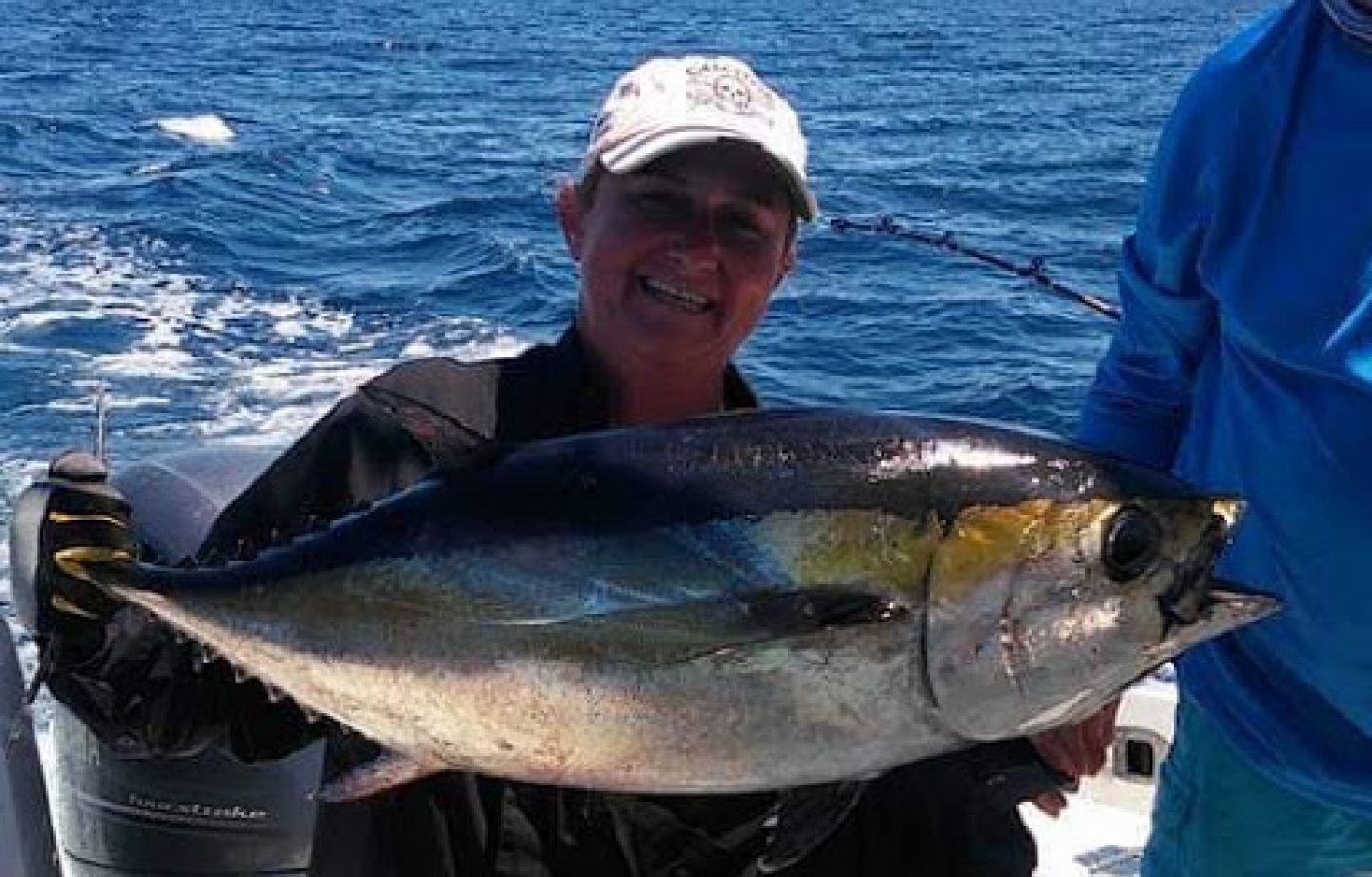
These trips suit anglers who already know they enjoy being far from the inlet and want the bigger, harder-fighting end of the fishery. If you have fished offshore before, or you have built your confidence on shorter trips, this is the level that matches your appetite. If you have never been on the ocean, it makes more sense to start closer in and work your way out.
Matching the Trip to Your Experience
The simplest way to choose is to be honest about where you are today. A first-timer or a mixed group with young or inexperienced anglers will have a better day nearshore. Someone who has fished a few times and wants a more varied outing can look at the wreck trip. A confident angler who wants to chase bigger fish in open water is the target audience for the offshore trips.
Group makeup matters as much as skill. Go Fish runs private charters, so the trip is built around your group rather than strangers. That makes it easier to pick a trip that suits the least experienced person on board, which usually leads to a better day for everyone. When you are ready to book a fishing trip, tell the captain who is coming and what you hope to get out of the day. He can then steer you toward the trip that fits, whether that is a Ponce Inlet fishing charter close to shore or a full day offshore.